
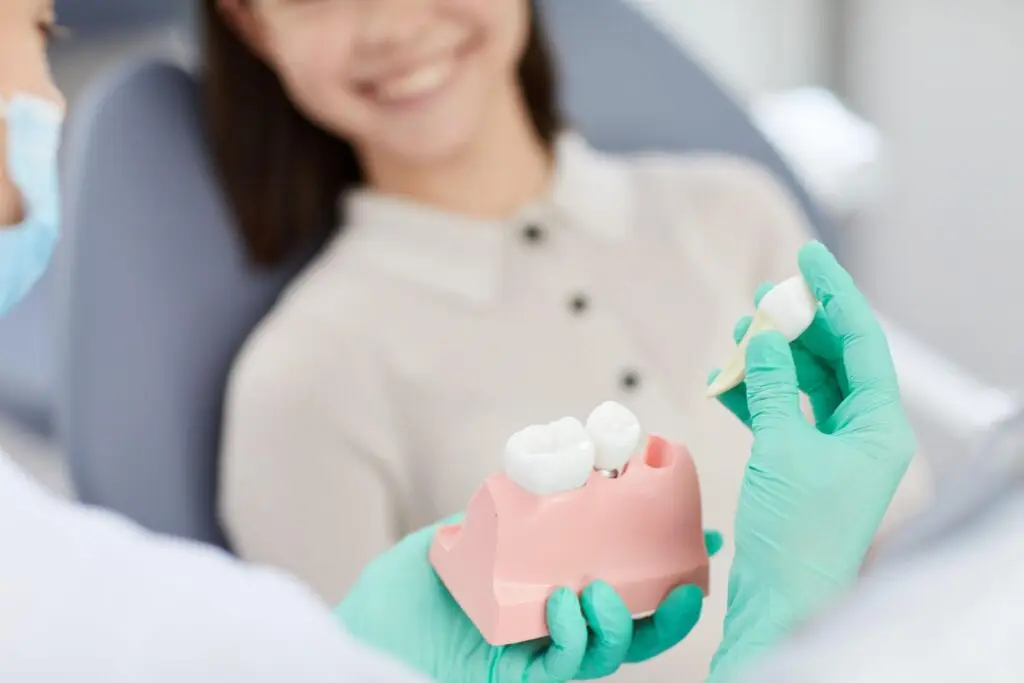
Whether you are having a simple extraction or wisdom teeth removal, the recovery process plays a major role in how quickly and comfortably you heal. Many patients are surprised to learn that what they do after the procedure can significantly impact pain levels, swelling, bleeding, and the risk of complications like dry socket or infection.
At Torrey Hills Dental, patients often ask what they should avoid after a tooth extraction. While your dentist will provide personalized instructions, there are several common mistakes that can slow healing or create unnecessary discomfort. Understanding how to protect the extraction site during the first few days can help you recover more smoothly and get back to your normal routine faster.
If you recently had a tooth removed or are preparing for an upcoming procedure, here are 10 important things to avoid after tooth extraction.
Immediate Care: What to Skip for 24–48 Hours
The first 24 to 48 hours are the most critical part of the healing process. During this time, your body is forming a protective blood clot over the extraction site. This clot acts like a natural bandage and helps new tissue begin forming underneath.
Anything that disrupts that clot can delay healing and increase discomfort.
Do Not Use Straws
One of the biggest mistakes patients make after an extraction is drinking through a straw. The suction motion can dislodge the blood clot and lead to a painful condition called dry socket.
Dry socket occurs when the clot is removed too early, exposing the bone and nerves underneath. This can cause severe pain that radiates into the jaw, ear, or head and may require additional treatment from your dentist.
Even smoothies or protein shakes should be consumed carefully with a spoon instead of a straw during the early healing phase.
Avoid Smoking or Vaping
Smoking is one of the most harmful habits after tooth extraction. Tobacco reduces blood flow, slows tissue healing, and dramatically increases the risk of dry socket.
Vaping can also interfere with healing because the suction and heat may irritate the surgical area. Even nicotine-free vaping products can delay recovery.
Patients who undergo Wisdom Teeth Extractions Carmel Valley, San Diego procedures are usually strongly advised to avoid smoking for several days following surgery. The longer you can avoid tobacco products during recovery, the better your healing outcome will likely be.
Do Not Rinse Aggressively
It may feel natural to want to rinse your mouth immediately after surgery, but vigorous rinsing can disturb the blood clot.
During the first 24 hours, avoid forceful rinsing, spitting, or swishing mouthwash aggressively. After the initial period, your dentist may recommend gentle warm saltwater rinses to keep the area clean without irritating the healing tissue.
Being gentle during this phase is one of the best ways to support recovery.
Foods & Drinks to Avoid
What you eat after a tooth extraction matters more than many people realize. Certain foods can irritate the area, become trapped in the socket, or increase inflammation.
Stay Away From Crunchy or Hard Foods
Foods like chips, nuts, popcorn, crackers, and pretzels should be avoided while the extraction site heals.
Sharp or crunchy foods can scrape the tissue or get lodged inside the socket, increasing the risk of irritation and infection. Small particles from popcorn or seeds are especially problematic because they are difficult to remove from the healing area.
Instead, focus on softer foods like mashed potatoes, yogurt, soup, scrambled eggs, smoothies eaten with a spoon, oatmeal, or pasta during the early recovery period.
Avoid Extremely Hot Foods and Drinks
Hot coffee, tea, soup, or spicy foods can increase bleeding and sensitivity immediately after surgery.
Heat may interfere with clot formation and aggravate swollen tissues. Lukewarm or cool foods are generally more comfortable during the first day or two after extraction.
Cold foods like yogurt or ice cream can sometimes help reduce swelling and soothe soreness, though moderation is still important.
Avoid Alcohol During Recovery
Alcohol can interfere with healing and may interact negatively with prescribed pain medications or antibiotics.
In addition, alcohol may dry out the mouth and irritate sensitive tissues around the extraction site. It is generally safest to avoid alcoholic beverages until your Dentist in Carmel Valley, San Diego confirms that healing is progressing normally.
Patients who follow post operative instructions carefully often experience fewer complications and a faster recovery overall.
Activities & Habits to Put on Pause
Physical activity and daily habits can influence how much swelling and discomfort you experience after surgery.
Avoid Intense Exercise
Heavy lifting, strenuous workouts, running, or high intensity exercise can increase blood pressure and trigger bleeding at the extraction site.
For the first couple of days, it is best to rest and allow your body to focus on healing. Even patients who exercise regularly should give themselves time to recover properly after oral surgery.
Walking and light activity are usually acceptable, but your dentist may recommend waiting longer depending on the complexity of the extraction.
Do Not Touch the Extraction Site
Many patients are tempted to check the area repeatedly with their tongue or fingers. Unfortunately, this can irritate the tissue and delay healing.
Touching the extraction site may introduce bacteria into the area and disrupt the protective blood clot. Even constantly poking the site with your tongue can slow recovery.
If the area feels unusual, remember that some swelling and tenderness are completely normal during the healing process.
How to Protect the Healing Site
Protecting the extraction site is one of the most important parts of recovery.
Avoid Poor Oral Hygiene Habits
Some patients misunderstand recovery instructions and avoid brushing completely after extraction. While you should avoid brushing directly over the surgical site initially, the rest of your mouth still needs proper cleaning.
Failing to maintain oral hygiene allows bacteria to build up and increases the risk of infection.
Your dentist will usually recommend gentle brushing around the area while keeping the extraction site itself protected. Warm saltwater rinses may also help maintain cleanliness after the first 24 hours.
Learning How to Protect the Healing Site properly can make a major difference in comfort and recovery speed.
At Torrey Hills Dental, patients receive detailed post operative guidance designed to support healthy healing and minimize complications after extractions.
Avoid Ignoring Warning Signs
Some discomfort, swelling, and mild bleeding are expected after an extraction. However, certain symptoms may indicate a complication that requires professional attention.
Knowing When to Call a Professional is extremely important.
Contact your dental office if you experience:
• Severe pain that worsens after several days
• Excessive bleeding that does not improve
• Fever or chills
• Persistent swelling
• Pus or unusual discharge
• Difficulty swallowing or breathing
• A bad taste or odor coming from the extraction site
These symptoms may indicate infection or dry socket and should not be ignored.
Most extractions heal without problems, but prompt treatment can prevent minor concerns from becoming more serious.
Understanding the Healing Process After Tooth Extraction
The healing timeline varies from person to person depending on the type of extraction, overall health, and how closely post operative instructions are followed.
During the first day, clot formation begins. Swelling often peaks around days two and three. Over the following week, gum tissue gradually closes over the site while deeper bone healing continues underneath.
Patients who undergo wisdom tooth removal may experience a slightly longer recovery period due to the complexity of the procedure.
Wisdom Teeth Extractions Carmel Valley, San Diego patients are often advised to plan for a few days of reduced activity and softer foods to support optimal healing.
The good news is that most people feel significantly better within several days when proper care instructions are followed consistently.
Why Following Instructions Matters
After tooth extraction, your body is working hard to repair tissue, prevent infection, and rebuild healthy gum structure. Small decisions during recovery can either support or interrupt that process.
Patients who ignore instructions often experience unnecessary complications like prolonged swelling, infection, bleeding, or dry socket. Meanwhile, patients who rest, eat carefully, avoid harmful habits, and keep the area clean typically heal much more comfortably.
Following post operative recommendations also helps reduce the need for additional appointments or emergency treatment.
Your dental team wants your recovery to be smooth, predictable, and as stress free as possible.
The Importance of Rest and Hydration
Healing after oral surgery is not just about avoiding harmful habits. Supporting your body properly also matters.
Staying hydrated helps circulation and tissue repair. Drinking enough water can also help prevent dry mouth, which may irritate healing tissues.
Rest is equally important. Sleep allows the immune system to work efficiently and helps your body recover more effectively.
Keeping your head elevated during the first night may also reduce swelling and improve comfort.
Simple recovery habits can make a surprisingly large difference in how quickly you return to normal activities.
Take Care of Your Oral Health
Tooth extractions are sometimes necessary to protect your overall oral health, eliminate infection, relieve pain, or prepare for future treatment. Whether you are removing a damaged tooth or impacted wisdom teeth, proper aftercare is essential for successful healing.
Avoiding smoking, straws, hard foods, vigorous rinsing, and heavy activity gives your mouth the best opportunity to heal properly. Paying attention to warning signs and maintaining good oral hygiene can also help prevent complications.
If you are planning an extraction or have questions about recovery, the team at Torrey Hills Dental can help guide you through every step of the process.
Patients searching for a trusted Dentist in Carmel Valley, San Diego often want a dental team that provides clear communication, compassionate care, and personalized treatment recommendations. Whether you need routine extraction care or Wisdom Teeth Extractions Carmel Valley, San Diego services, understanding what to avoid after surgery can help you heal more comfortably and protect your long term oral health.