
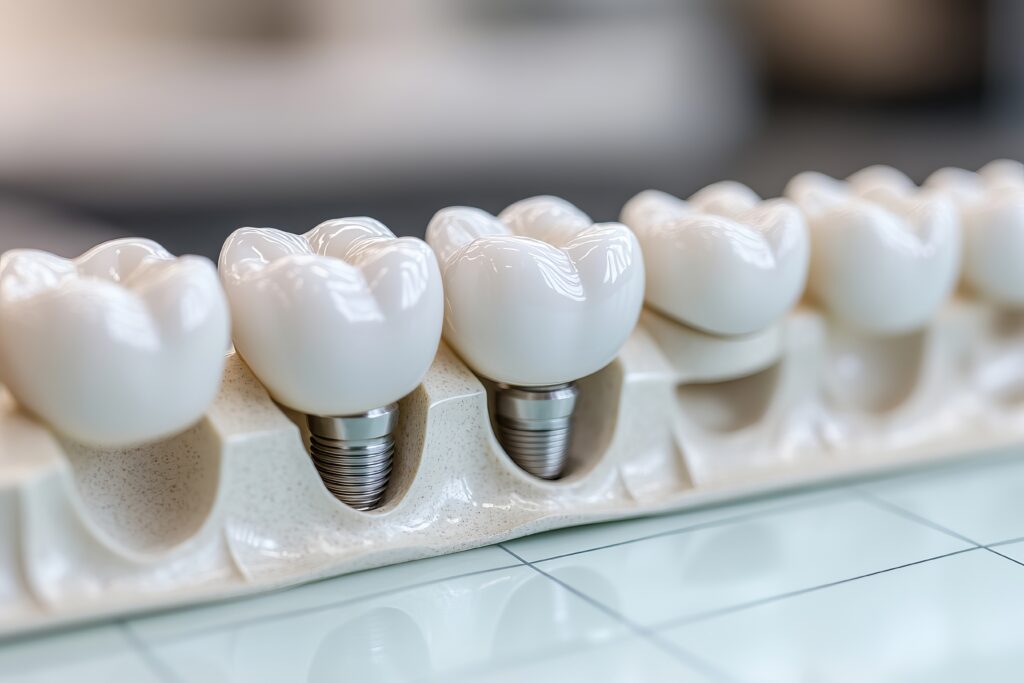
When your dentist recommends a restorative procedure, it is rarely something to put off lightly. Whether it is a small cavity, a cracked tooth, or early gum concerns, these issues tend to progress over time rather than resolve on their own. For patients at Torrey Hills Dental, understanding the risks of delaying care is essential to protecting long-term oral health and avoiding more complex, costly treatments down the road.
This patient-centered guide will walk you through why restorative care matters, what signs to watch for, and how delays can impact your smile. If you are searching for a trusted Dentist in Carmel Valley, this information can help you make informed decisions about your dental health.
Why Restorative Dental Treatment Is Recommended
Restorative dentistry focuses on repairing damage to teeth and restoring their function, strength, and natural appearance. Treatments can range from simple fillings to crowns, bridges, or dental implants, depending on the severity of the issue.
The reason dentists recommend restorative care is straightforward: dental problems are progressive. Tooth decay, fractures, and infections do not stay the same—they worsen over time. Early intervention allows your dentist to address the issue while it is still manageable, often with simpler and more conservative treatments.
For example, a small cavity can typically be treated with a filling. However, if left untreated, that same cavity can grow larger, eventually reaching the inner pulp of the tooth. At that stage, a root canal or even extraction may become necessary. What began as a minor issue becomes a much more involved procedure.
Patients seeking Restorative Dentistry in Carmel Valley, San Diego often benefit from early diagnosis and personalized care plans that prioritize both function and esthetics, ensuring a healthy and natural-looking smile.
Early Warning Signs You Should Not Ignore
Many dental problems begin with subtle symptoms that are easy to overlook. Ignoring these early warning signs is one of the most common reasons patients end up needing more extensive treatment later.
Tooth sensitivity is often one of the first indicators of an issue. You might notice discomfort when eating hot, cold, or sweet foods. While it may seem minor, sensitivity can signal enamel erosion or early decay.
Another common sign is mild tooth pain that comes and goes. Intermittent discomfort may indicate a developing cavity or a small crack in the tooth. Patients sometimes wait until the pain becomes constant, but by then the damage is usually more advanced.
Gum-related symptoms also deserve attention. Bleeding when brushing or flossing, slight swelling, or persistent bad breath may point to early gum disease. Addressing these symptoms early can prevent progression to more severe periodontal conditions.
You may also notice changes in how your teeth feel when you bite. A tooth that suddenly feels different or slightly elevated could indicate damage or infection beneath the surface.
Recognizing these early warning signs and scheduling an evaluation with a Dentist in Carmel Valley can make a significant difference in preserving your natural teeth and avoiding complex procedures.
How Delays Can Make Dental Problems Worse
Delaying restorative treatment allows dental issues to progress unchecked, often leading to more serious consequences. One of the most common examples is tooth decay. Bacteria in the mouth produce acids that gradually break down enamel. Without treatment, the decay penetrates deeper layers of the tooth, eventually reaching the pulp where nerves and blood vessels reside.
Once the pulp becomes infected, patients may experience severe pain, swelling, and sensitivity. At this stage, a simple filling is no longer sufficient. A root canal is typically required to remove the infection and save the tooth.
Cracked or fractured teeth can also worsen over time. A small crack may initially cause little to no discomfort, but everyday chewing forces can cause it to expand. Eventually, the crack can reach the inner structures of the tooth, compromising its stability and increasing the risk of tooth loss.
Gum disease is another condition that becomes significantly more difficult to treat when delayed. Early-stage gingivitis can often be reversed with professional cleanings and improved oral hygiene. However, if left untreated, it can progress to periodontitis, where the supporting bone and tissues are affected. This can lead to gum recession, loose teeth, and eventual tooth loss.
In addition to physical consequences, delaying treatment often leads to higher costs and more time spent in the dental chair. What could have been addressed in a single visit may require multiple appointments and more advanced procedures.
Patients considering Restorative Dentistry in Carmel Valley, San Diego should understand that timely care is not just about convenience—it is about preventing complications that can impact both oral and overall health.
Treatment Options When Damage Progresses
When dental problems advance due to delays, the treatment approach typically becomes more involved. Understanding these options can help patients appreciate the value of early intervention.
For moderate decay or structural damage, dental crowns are often used to restore strength and function. A crown covers the entire tooth, protecting it from further damage while maintaining its appearance.
If the inner pulp becomes infected, a root canal may be necessary. This procedure removes the infected tissue, cleans the inside of the tooth, and seals it to prevent future infection. While root canals have a reputation for discomfort, modern techniques make them a highly effective and relatively comfortable solution.
In cases where a tooth cannot be saved, extraction may be required. Once a tooth is removed, replacement options such as dental implants or bridges are typically recommended to restore function and prevent shifting of surrounding teeth.
Gum disease that has progressed to a more advanced stage may require deep cleaning procedures such as scaling and root planing, or even surgical intervention to restore healthy tissues.
Each of these treatments plays an important role in preserving oral health, but they are often more complex than the procedures that could have been performed earlier. This is why addressing issues promptly with a Dentist in Carmel Valley is so critical.
Protecting Your Smile Through Timely Care
The most effective way to avoid extensive restorative procedures is through proactive care and timely treatment. Regular dental checkups allow your dentist to detect issues early, often before you even notice symptoms.
Preventive care, including professional cleanings and routine exams, plays a key role in maintaining oral health. These visits help remove plaque and tartar buildup, monitor for signs of decay or gum disease, and ensure that any developing problems are addressed quickly.
At home, consistent oral hygiene habits are equally important. Brushing twice daily with fluoride toothpaste, flossing regularly, and maintaining a balanced diet can significantly reduce the risk of dental issues.
Equally important is following through on your dentist’s recommendations. If a restorative treatment is advised, it is based on clinical findings and a goal of preserving your long-term oral health. Delaying care may seem convenient in the short term, but it often leads to more complicated situations later.
For patients seeking Restorative Dentistry in Carmel Valley, San Diego, working with a trusted dental team ensures that care is tailored to your individual needs. Modern dentistry offers a wide range of solutions designed to restore both function and esthetics while prioritizing patient comfort.
The Bigger Picture: Oral Health and Overall Well-Being
It is important to recognize that oral health is closely connected to overall health. Infections in the mouth can contribute to systemic issues, including cardiovascular concerns and complications related to diabetes. Chronic inflammation from untreated gum disease can also impact general health.
Delaying restorative dental treatment does not just affect your teeth—it can have broader implications for your well-being. Addressing dental issues promptly helps reduce the risk of complications and supports a healthier lifestyle overall.
Patients who prioritize regular dental care often experience fewer emergencies, lower long-term costs, and greater confidence in their smiles. A healthy smile is not just about appearance; it plays a vital role in speaking, eating, and social interactions.
Making the Right Decision for Your Dental Health
Choosing when to proceed with restorative treatment is ultimately a personal decision, but it should be an informed one. Understanding the risks of delaying care can help you weigh the short-term inconvenience against the long-term benefits.
If you have been advised to undergo treatment, consider asking your dentist about the potential outcomes of waiting. In most cases, you will find that early intervention offers the best chance for a simple, effective solution.
Working with an experienced Dentist in Carmel Valley ensures that you receive clear guidance, compassionate care, and treatment options that align with your goals. Whether you need a minor restoration or a more comprehensive approach, addressing issues promptly can help you maintain a strong, healthy smile for years to come.
For those exploring Restorative Dentistry in Carmel Valley, San Diego, the message is clear: timely care is one of the most important investments you can make in your oral health.